
Cheapest cities for students
Find out which cities are the cheapest in Germany.
Germany offers world class education with zero tuition fees, but where you live makes all the difference. We’ve done the research so you don’t have to.
Germany is one of the most popular destinations in the world for international students, and for good reason. Public universities charge no or low tuition fees, the quality of education is globally recognised, and the country sits at the heart of Europe’s job market.
But here’s what nobody tells you upfront: where you choose to live can save, or cost you thousands of euros every year.
As of 2026, the German government requires you to show €11,904.00 in a blocked account before you can get your student visa. That’s €992 per month. In cities like Munich or Frankfurt, that barely covers rent and food. In the cities on this list, you can live comfortably, explore Europe, and even save money on the side.
This guide breaks down the 10 cheapest cities for students in Germany with real cost data, including rent, food, transport and health insurance, so you can plan your budget before you even board the plane.
| A few key facts | Data |
|---|---|
| Germany blocked account 2026 | €11,904.00 /year ( €992.00 ) |
| Cheapest city monthly budget | Min. €580 (Chemnitz) |
| Average student monthly expenses | €850 - €1,100/month |
| Minimum wage in 2026 | €13.90/hour |
| Max student work hours | 20 hours per week during the semester |
Comparison of the top 10 cheapest cities for students in Germany
| # | City | Avg. Rent (Dorm or WG Room) | Monthly Budget | Semester Fee | Best For |
|---|---|---|---|---|---|
| 1 | Chemnitz | €220 - €280 | €580 - €700 | €167 | Engineering, CS |
| 2 | Halle (Saale) | €230 - €300 | €650 - €780 | ~€200 | Humanities, Sciences |
| 3 | Magdeburg | €250 - €320 | €680 - €800 | ~€220 | Engineering, Medicine |
| 4 | Erfurt | €270 - €330 | €700 - €820 | ~€200 | Business, Law |
| 5 | Dresden | €300 - €380 | €750 - €900 | ~€250 | STEM, Architecture |
| 6 | Leipzig | €300 - €400 | €780 - €950 | ~€220 | Arts, Sciences, Business |
| 7 | Duisburg | €280 - €350 | €750 - €870 | ~€310 | Engineering, Social Sci. |
| 8 | Rostock | €280 - €360 | €740 - €860 | ~€230 | Marine, Life Sciences |
| 9 | Bielefeld | €300 - €380 | €780 - €900 | ~€260 | Interdisciplinary |
| 10 | Kassel | €280 - €320 | €850 - €980 | ~€260 | Art, Architecture, Sustainability |
Budgets include: rent (dorm room or a shared WG room), groceries, health insurance (~€140/month), transportation (€0 with the Semesterticket), mobile/internet, and modest leisure.
Chemnitz - Germany’s most affordable student city
Monthly Budget: €580–€700 | Rent (WG): €220–€280/month
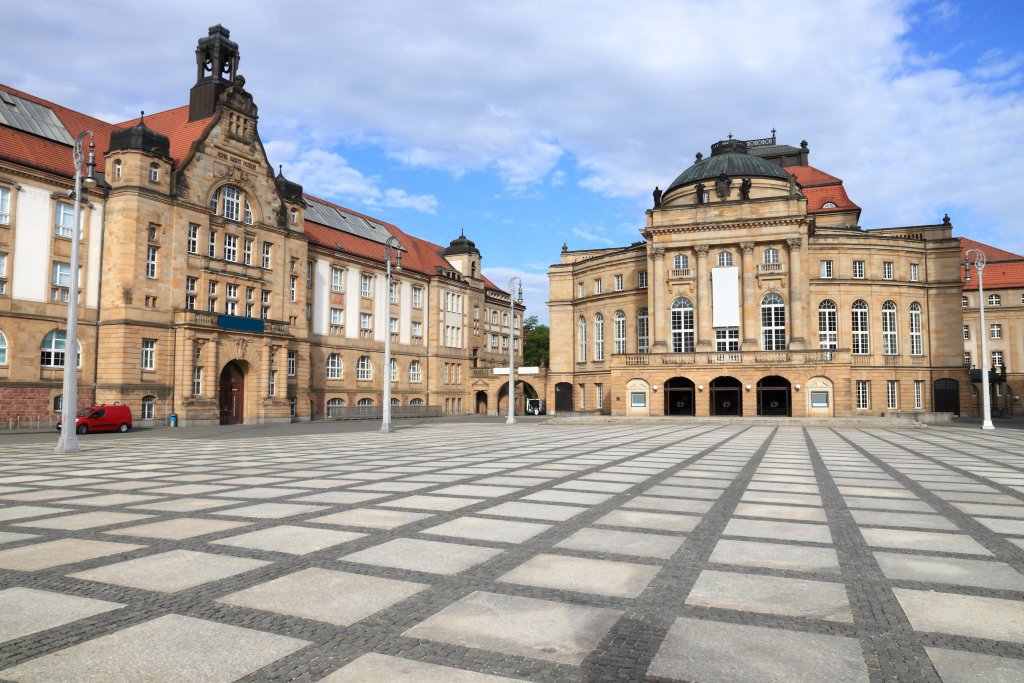
Chemnitz holds a special place on this list, it is consistently ranked as the cheapest university city in Germany for students. Located in the eastern state of Saxony, the city gained international attention as the 2025 European Capital of Culture, a title that sparked major investment in arts, nightlife, and international infrastructure.
Don’t let the low price tag fool you. Chemnitz has a growing international community, a vibrant student scene, and easy train connections to Dresden and Leipzig, both under 1 hour away.
🎓 Key University: TU Chemnitz (Technische Universität Chemnitz) offers strong engineering, computer science, materials science, and economics programmes. The semester fee: just €167, one of the lowest in Germany.
Halle (Saale) - History, culture, and unbeatable value
Monthly Budget: €650–€780 | Rent (WG): €230–€300/month
Nestled along the River Saale in Saxony-Anhalt, Halle is a lively city with a strong student culture. Over 20,000 students call it home, giving it a young, energetic atmosphere despite its modest size.
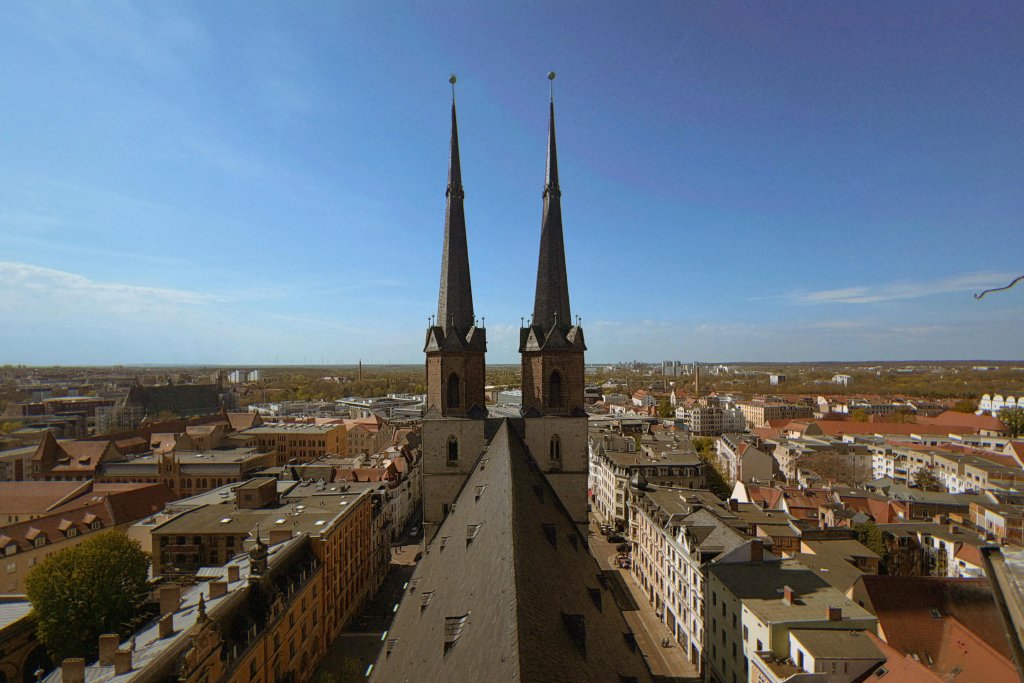
🎓 Key University: Martin Luther University Halle-Wittenberg — one of Germany’s oldest universities, founded in 1502. Renowned for humanities, natural sciences, law, and medicine.
Magdeburg - Engineering hub on the Elbe
Monthly Budget: €680–€800 | Rent (WG): €250–€320/month
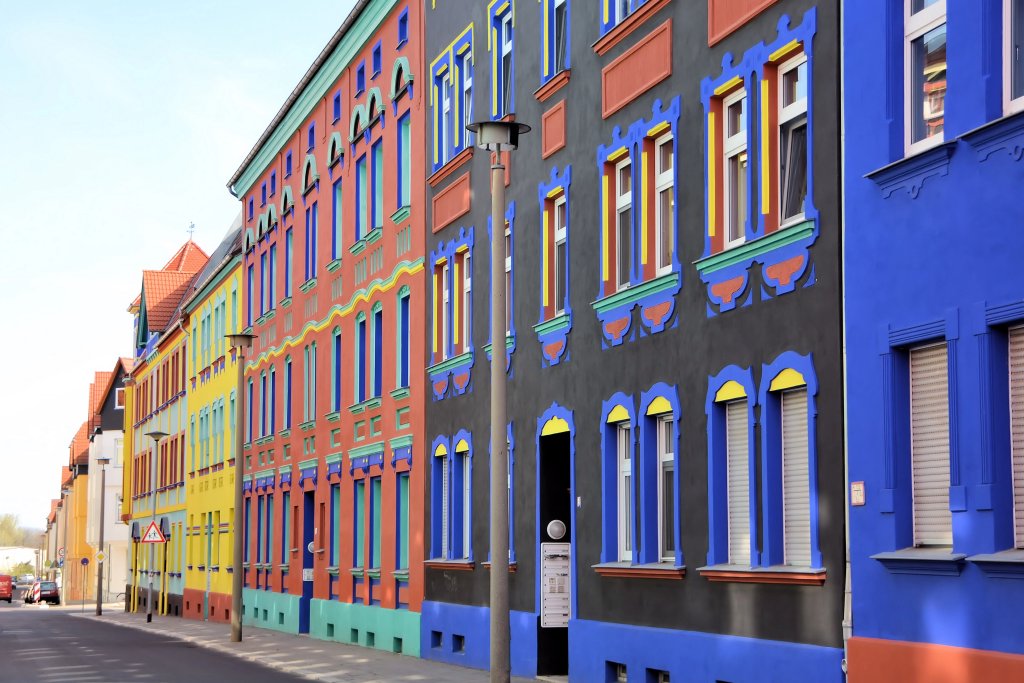
Magdeburg is one of Germany’s oldest cities and a rising star for international students. Its central Breiter Weg boulevard is lined with shops, theatres, restaurants, and services, giving it a genuine city feel at budget prices. The city is especially popular with engineering, AI and computer science students.
🎓 Key University: Otto von Guericke University Magdeburg - strong in engineering, computer science, medicine, and natural sciences. Strong research partnerships with local industry.
Erfurt - Compact, peaceful, and wallet-friendly
Monthly Budget: €700–€820 | Rent (WG): €270–€330/month
Erfurt, the capital of Thuringia, offers students a rare combination: a beautifully preserved medieval old town, affordable rents, and a genuinely walkable city. With around 10,000 students, it has a tight-knit, friendly student community where you can walk to most places, great for keeping transport costs at zero.

🎓 Key Universities: University of Erfurt — strong in humanities, education, law, and social sciences. SRH University Erfurt — business and health sciences.
Dresden - Affordable beauty on the Elbe
Monthly Budget: €750–€900 | Rent (WG): €300–€380/month

Dresden is arguably the most beautiful affordable city in Germany. Its baroque architecture, world class museums (including the Gemäldegalerie Alte Meister), and location on the Elbe River make it feel much grander than its price tag suggests.
Student dorm rooms start from just €180–€280/month, making it one of the most accessible cities for students on tight budgets. The city also has excellent connections to Prague (1h45 by train) and Berlin (2h).
🎓 Key University: TU Dresden (Technische Universität Dresden) - one of Germany’s top 10 universities, ranked #1 in Saxony. Excellent in engineering, architecture, natural sciences, and medicine. Many English taught master’s programs.
Leipzig - The coolest cheap city in Germany
Monthly Budget: €780–€950 | Rent (WG): €300–€400/month
Leipzig is the darling of the affordable German student cities list and for good reason. Often described as “Berlin 15 years ago,” it combines genuine affordability with a world-class cultural scene: indie music venues, art galleries, literary cafes, and one of Germany’s most famous club scenes.
It’s also one of the fastest growing cities in Germany, with a booming startup and tech scene making it increasingly attractive for international students who want great networking opportunities without Berlin prices.
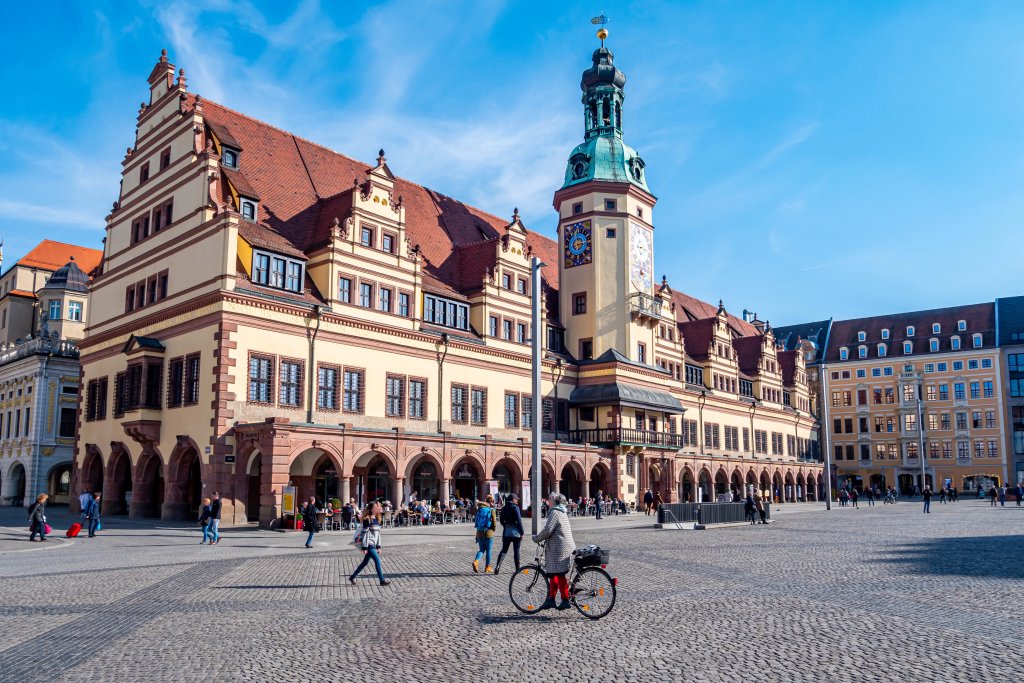
🎓 Key University: Leipzig University — one of Germany’s oldest, founded in 1409. Ranked #7 in Germany (ARWU 2025). Strong in medicine, law, humanities, and natural sciences.
Duisburg - Big-city access at small-city prices
Monthly Budget: €750–€870 | Rent (WG): €280–€350/month

Duisburg’s location in the heart of the Ruhr metropolitan area is its greatest asset for students. You are within 30 minutes of Düsseldorf, Essen, Cologne, and Dortmund, meaning the jobs, networking opportunities, and nightlife of major German cities are all within easy reach, while you pay a low city rent.
🎓 Key University: University of Duisburg-Essen - one of Germany’s largest universities with 43,000+ students. Strong in engineering, economics, social sciences, and medicine.
Rostock - Study by the Baltic sea
Monthly Budget: €740–€860 | Rent (WG): €280–€360/month
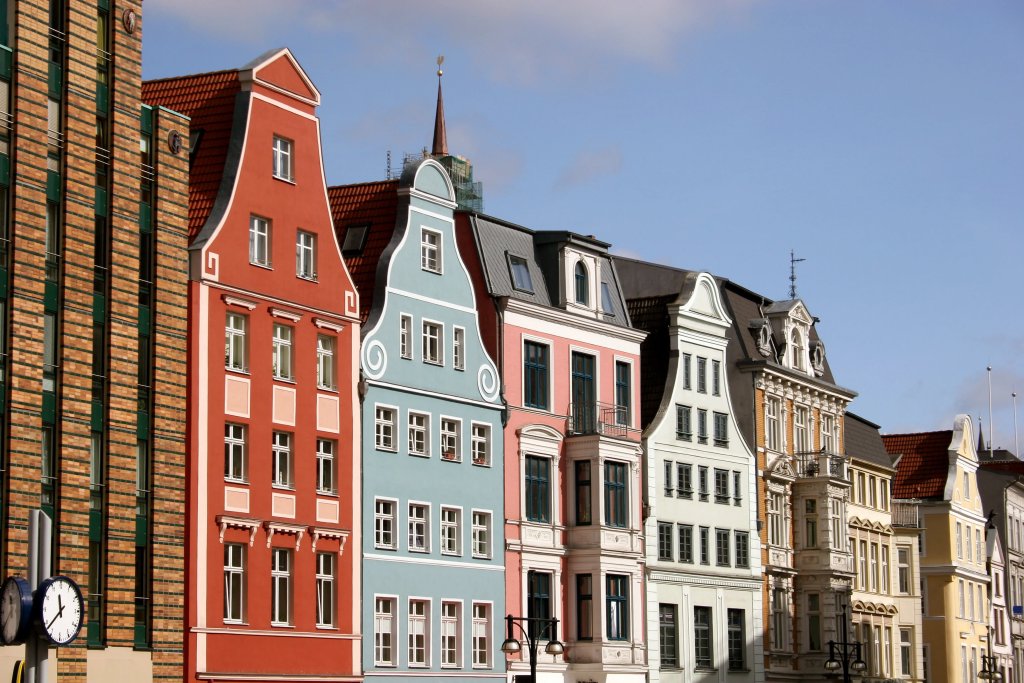
Rostock is a genuinely unique option: a university city on the Baltic Sea coast where you can walk to sandy beaches and still pay some of the lowest rents in Germany. It’s particularly popular with students who appreciate quality of life as much as affordability.
🎓 Key University: University of Rostock - one of northern Europe’s oldest universities (founded 1419). Strong in life sciences, marine biology, engineering, and medicine.
Bielefeld - The best-value city in western Germany
Monthly Budget: €780–€900 | Rent (WG): €300–€380/month
Bielefeld offers something rare: the affordability of an eastern German city in western Germany. Compact and student-friendly, it’s easy to get around by bicycle, and the free semester ticket covers the whole city. It has a diverse bar scene, green spaces, and a relaxed but lively student atmosphere.
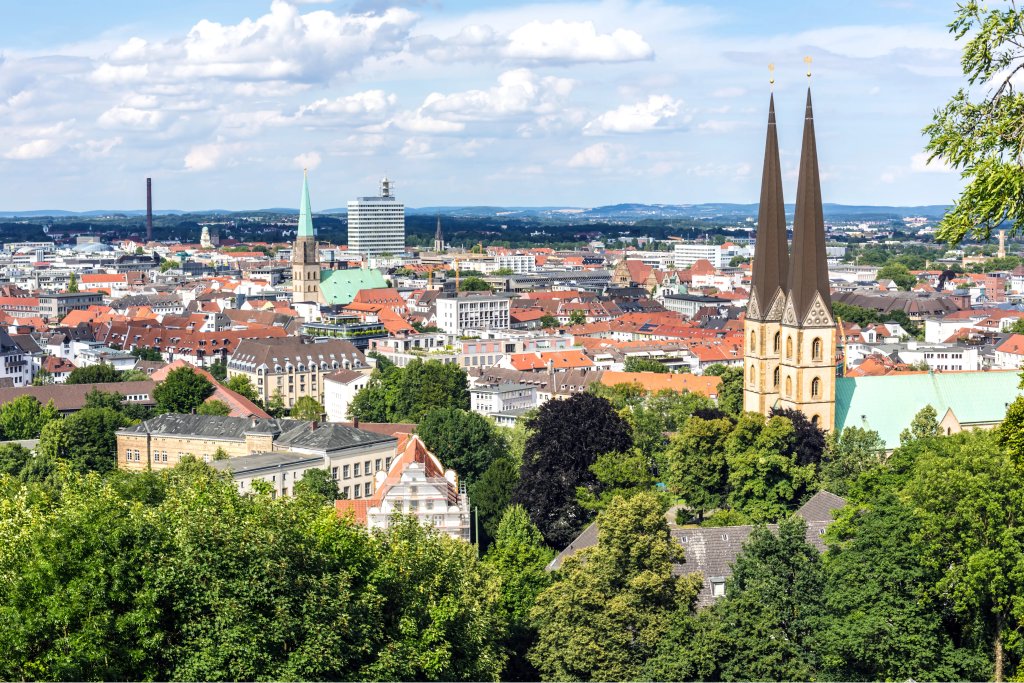
🎓 Key University: Bielefeld University - known for interdisciplinary research, particularly strong in sociology, biology, economics, and linguistics. Also home to FH Bielefeld (University of Applied Sciences) with strong practical programs.
Kassel - Art, nature, and affordability
Monthly Budget: €850–€980 | Rent (WG): €280–€320/month

Kassel is a hidden gem in central Germany, famous for the UNESCO World Heritage Site Bergpark Wilhelmshöhe. It’s consistently overlooked by international students which means lower competition for housing and a genuinely welcoming local community.
🎓 Key University: University of Kassel - known for engineering, social sciences, sustainability, and art. The art and architecture programs here are nationally respected.
Best practice tips for choosing an affordable student city
The smartest approach is to compare three things at the same time:
- monthly rent level
- programme fit
- daily life comfort
If two universities fit your profile equally well, the cheaper city is often the smarter decision. That is especially true for students who want to reduce pressure in the first year and avoid using most of their budget on housing.
A second good rule is to think beyond famous city names. Students on forums often point out that many smaller or eastern German cities are simply easier to manage financially. That can lead to a better study experience, even if the city looks less exciting on paper at first, because low tuition plus a cheaper city is often the strongest budget combination.
Monthly budget for students in Germany